Trustworthy Roofing Company: High-Grade Roofing Options You Can Depend On
A dependable roofing company plays an essential role in preserving the structural soundness of a home. Premium roofing solutions ensure durability and safeguard against environmental elements. Homeowners often overlook the significance of selecting the right contractor. However, understanding the key qualities and offerings offered can make a considerable difference. What should one consider when choosing a roof partner? The answers may reveal more than expected.
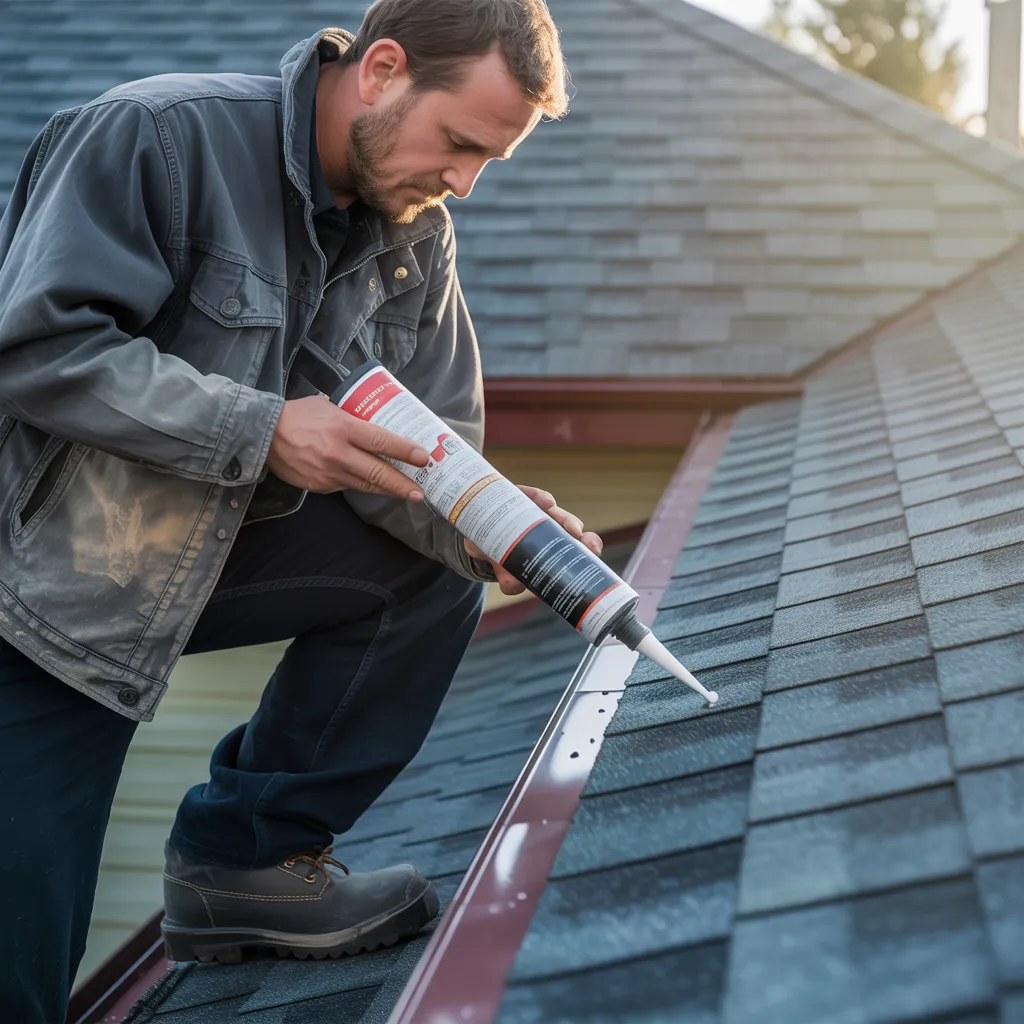
Why a Reputable Roofing Service Matters for Your Home
When homeowners acknowledge the importance of their roofs, they often overlook the crucial role a trustworthy roofing company plays in safeguarding their investment. A trustworthy contractor assures that roofing materials are installed correctly, following industry standards and local building codes. This not only boosts the roof's strength but also shields against water damage, mold growth, and structural issues.
Furthermore, a trustworthy roofing company provides guarantees on both materials and workmanship, offering homeowners confidence. They also conduct thorough inspections, identifying potential problems early, which can save homeowners from costly repairs down the line.
In an field where quality can shift substantially, choosing a reliable roofing company can signify the difference between a sturdy roof and constant headaches. Ultimately, allocating funds in a credible contractor is a indispensable step in keeping the integrity and safety of a home.
Important Traits to Assess in a Roofing Contractor
Choosing a roofing contractor demands careful consideration of specific qualities that assure trustworthiness and proficiency. Primarily, a reputable contractor should have appropriate licenses and insurance, ensuring compliance with local regulations and protection from liability. Experience is another essential factor; established contractors usually possess a solid record of successful projects and satisfied clients.
Also, skillful speaking and listening abilities are important, as they allow clear discussions about project targets and timeframes. The contractor should also provide detailed written estimates, assisting homeowners to understand costs from the start. In addition, a determination to using excellent materials exemplifies a determination to long-lasting performance.
In conclusion, positive client feedback and client recommendations function as indicators of the contractor's trustworthiness and professionalism. By prioritizing these vital characteristics, homeowners can select carefully when picking a roofing contractor, ultimately guaranteeing a accomplished roofing project.
Important Topics to Present to Roofing Companies?
What critical questions should property owners ask to roofing companies to establish a productive relationship? First, they should ask about the company's insurance and licensing. This guarantees that the company meets local regulations and is protected against potential liabilities. Next, property owners should ask about the guarantees provided on both workmanship and materials, as this demonstrates the company's commitment to quality.
In addition, it's critical to ask for references from earlier clients. This can provide insight into the company's dependability and workmanship. Homeowners should also examine the timeline for project completion, verifying it aligns with their expectations.
To conclude, inquiring into the materials used and their durability can support homeowners in making educated choices. By addressing these important matters, homeowners can create a transparent dialogue, ultimately leading to a credible and successful roofing association.
Assessing Roof Feedback
What approaches can homeowners use to properly evaluate roofing reviews to make sound choices? Reviewing comments requires a organized approach. First, they should evaluate the general score and the number of reviews. A strong score with many ratings often suggests trustworthiness. Property owners should search for detailed feedback regarding quality of work, project schedules, and support. Favorable feedback that detail the work completed deliver greater understanding than generic praise.
Likewise, unfavorable reviews should be scrutinized for recurring themes. If several customers reference similar issues, it may suggest a persistent problem. Homeowners should also assess the responsiveness of the company to negative feedback, as this demonstrates their commitment to customer satisfaction.
Moreover, using reputable platforms that verify reviews can boost credibility. Lastly, homeowners might obtain advice from friends or family, mixing online reviews with personal experiences. By following these steps, homeowners can handle roofing reviews effectively and choose a trustworthy contractor.
Residential Roofing Options
Residential roofing options include a range of materials and styles, each developed to fulfill specific needs and preferences. Common options feature asphalt shingles, recognized for their affordability and ease of installation, and metal roofing, which offers resilience and energy efficiency. Tile roofs, often picked for their aesthetic appeal, provide longevity and are impervious to harsh weather conditions. Additionally, slate roofing presents a premium option, admired for its elegance and resilience. For eco-minded homeowners, options like green roofs and solar shingles are increasingly popular, promoting sustainability. Each roofing material comes with its own set of advantages, enabling homeowners to select the best fit for their climate, budget, and architectural style. Ultimately, the right choice strengthens both functionality and curb appeal.
Business Roofing Offerings
Commercial roofing services encompass a range of expert solutions tailored to meet the distinct demands of businesses and industrial facilities. These services include the installation of various roofing systems such as TPO, EPDM, and PVC, each designed to provide durability and energy efficiency. Flat roofing solutions are prevalent in commercial settings, providing a efficient approach for large building expanses. Additionally, commercial roofing may entail the use of coatings that improve longevity and reflectivity, lowering energy costs. Regular upkeep programs are also essential, ensuring roofs remain in peak condition and extend their lifespan. Understanding the specific needs of different commercial structures allows roofing companies to provide effective solutions that ensure safety and compliance with industry standards.
Roof Restoration Services
Plenty of roofing repair services are available to address the varied problems that can develop over time. Homeowners regularly experience problems such as leaks, missing shingles, and damaged flashing, which need immediate attention. Typical repair services include patching leaks, replacing broken or missing shingles, and sealing areas vulnerable to water intrusion. Furthermore, certain companies deliver preventive care, such as inspections and cleaning, to increase roof life and identify potential issues before they escalate. For larger-scale damage, full roof replacements may be needed. Each solution is adapted to the specific needs of the roof's condition, making sure homeowners receive effective and reliable service. By selecting the right repair approach, property owners can maintain the integrity and longevity of their roofs.
The Perks of Regular Roof Upkeep and Inspections
While many homeowners may downplay the importance of roof upkeep, periodic checks play a vital role in prolonging the life of a roof. Ongoing checks can reveal minor issues before they escalate into costly damage, ensuring the roof remains in proper condition. Moreover, regular maintenance enhances energy efficiency by preventing leaks and drafts, ultimately cutting utility costs.
Also, a carefully maintained roof can raise property value, making it more attractive to potential buyers. Inspections often include maintaining gutters and clearing debris, which prevents water damage and mold growth. Homeowners who engage in regular maintenance also take advantage of extended warranties on roofing materials, as manufacturers typically require documented upkeep.
Basically, emphasizing roof maintenance not only secures the home but also supplies comfort. By sustaining a proactive approach, homeowners can delight in a resilient and proven roofing for years to come.
Popular Inquiries Asked Regularly
How Long Does a Standard Roofing Project Take to Finish?
A conventional roof assignment ordinarily takes between one to several days to complete, determined by criteria including the size of the roof, the sophistication of the review this content blueprint, and meteorological conditions affecting the work.
What Protections Do Materials for Roofing and Installation Come With?
The majority of roofing materials include guarantees spanning 20 to 50 years, while labor warranties typically last 1 to 10 years. These warranties guarantee coverage against defects and workmanship problems, affording homeowners with peace of mind.
What credit options are available for roof work?
A variety of roofing businesses extend financing options, along with payment arrangements and credit financing, to support customers reduce costs. These plans can differ, so it's advisable for clients to ask about exact details and stipulations.
How Can I Determine if My Roof Needs Replacement?
Your roof might require replacement if it displays absent shingles, leaks, substantial granule deterioration, noticeable sagging, and age exceeding 20-25 years. A professional inspection can offer a conclusive determination of the roof's condition.
What Protective Precautions Do You Take During Roofing Projects?
Throughout roof work, the crew implements safety measures such as safety harnesses, helmets, and temporary structures. They conduct regular safety briefings and ensure appropriate gear is used, prioritizing employee protection while reducing risks associated with roof work.